

The Mediterranean has been a chartered sea for longer than most sailors realise. When the first British flotilla operators began converting fishing boats off the Ionian coast in the late 1960s, they were building on a tradition of coastal commerce that predates the Venetian Republic. Today, the inland sea accounts for roughly half of the global bareboat charter market — a dominance that owes less to marketing than to geography. No other body of water offers so many protected anchorages, so many provisioning towns within a day's sail of each other, and so reliable a summer weather pattern. The question for most charterers is not whether to sail the Mediterranean, but where within it.
The regions, and what distinguishes them
The charter Mediterranean divides broadly into five corridors: Greece, Croatia, Italy, Turkey, and France (with Spain's Balearics as an increasingly popular sixth). Each has a distinct character shaped by its coastline, its prevailing winds, and its shoreside culture.
Greece remains the largest single charter market by fleet size. The Ionian, sheltered and green, suits first-timers; the Cyclades reward experienced sailors with stronger winds and dramatic landfalls; the Dodecanese and Sporades offer quieter alternatives. Greek marina infrastructure has improved markedly since 2018, though provisioning in the smaller Cycladic islands still requires planning.
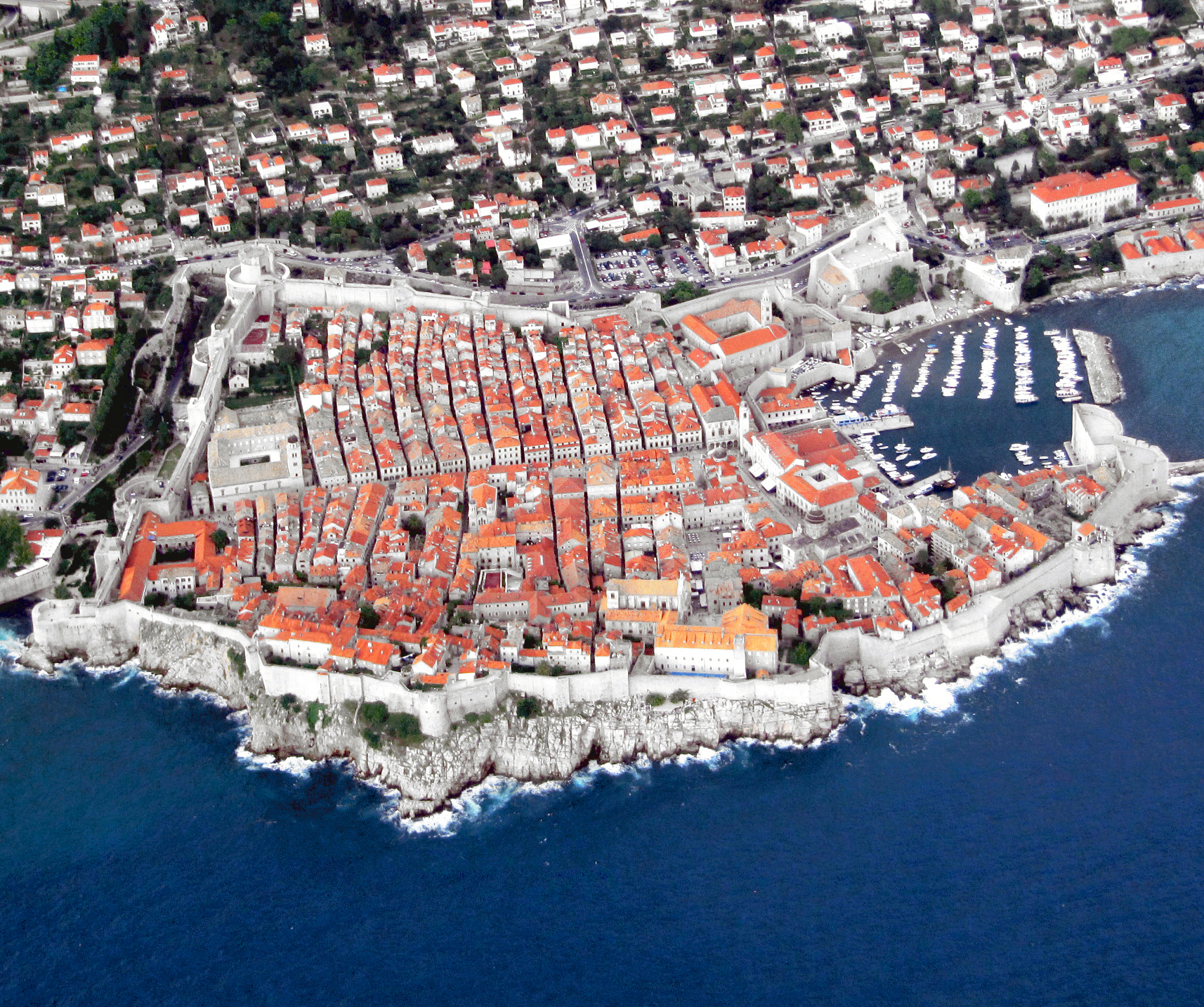
Croatia has transformed in a single generation from a Yugoslav backwater to the Mediterranean's most fashionable charter destination. The Dalmatian coast's 1,200 islands create an almost infinite choice of routes. Split and Dubrovnik are the principal bases. High-season crowds, particularly in July and August around Hvar, are the trade-off for excellent infrastructure and consistently beautiful anchorages.
Italy offers perhaps the most culturally rich sailing, but at a premium. The Amalfi Coast, Sardinia's Costa Smeralda, and the Aeolian Islands north of Sicily each demand different skills and budgets. Italian port fees and berthing costs run 30-50% higher than Greece or Croatia, and the bureaucracy of arriving at a southern Italian marina remains an experience in itself.
Turkey's Lycian coast — the stretch from Bodrum through Gocek to Fethiye — combines dramatic scenery with the lowest charter costs in the Mediterranean. The gulet tradition, wooden motor-sailers crewed and catered, originated here. Political uncertainty has periodically dampened demand, but the sailing itself is among the finest anywhere in the basin.
France, from the Cote d'Azur through Corsica, is where modern yacht chartering began. It remains the most expensive corridor, but Corsica in particular offers wild anchorages and a Napoleonic history that the more developed coasts have smoothed away.
When to sail: the seasonal window
The Mediterranean charter season runs from April through October, with a sweet spot that varies by region. May and June are the consensus months for experienced sailors: the water is warming, the anchorages are uncrowded, and the summer winds have not yet reached their peak. July and August bring the crowds and the highest prices, but also the most reliable weather. September and October offer warm water, thinning crowds, and occasionally unsettled weather as the autumn transition begins.
The meltemi — Greece's persistent northerly summer wind — reshapes the Aegean from late June through August, turning Cycladic passages into serious sailing and the Ionian into a comparatively gentle alternative. Croatia's maestral, a lighter thermal wind, builds predictably through summer afternoons. Italy's Mediterranean coast is calmer but more prone to localised thunderstorms in high summer.

What it actually costs
Charter pricing in the Mediterranean follows a predictable structure, though the range is vast. For a 38-42ft monohull — the standard bareboat for a group of four to six — expect the following weekly ranges in 2026:
- Greece (Ionian/Dodecanese): EUR 2,000-4,000 in shoulder season; EUR 3,500-6,000 in July-August
- Greece (Cyclades): EUR 2,500-5,000 shoulder; EUR 4,000-7,000 peak
- Croatia: EUR 2,500-5,500 shoulder; EUR 4,500-8,000 peak
- Turkey: EUR 1,500-3,000 shoulder; EUR 2,500-4,500 peak
- Italy: EUR 3,000-6,000 shoulder; EUR 5,000-9,000 peak
- France/Corsica: EUR 3,500-7,000 shoulder; EUR 6,000-10,000 peak
These are hull-only prices. Add provisioning (EUR 30-60 per person per day for self-catering), fuel (EUR 150-300 per week), port fees (highly variable — from free town quays in Greece to EUR 100+ per night in Italian marinas), and the security deposit (typically EUR 2,000-3,500, refundable or insurable via a damage waiver at EUR 150-300).
A catamaran of equivalent length runs 40-70% more than a monohull. A skippered charter adds EUR 150-250 per day for the skipper's fee, plus their meals and berth — a worthwhile cost for those without the requisite certifications or local knowledge.
Choosing your region: a decision framework
The right Mediterranean charter depends on four variables: sailing experience, budget, what matters ashore, and tolerance for other boats.
For a first charter, the Ionian stands alone. Gentle winds, short passages, and abundant town quays make it forgiving. The Saronic Gulf near Athens is a close second, with the advantage of a direct international airport.
For experienced sailors seeking challenge, the Cyclades in July or the stretch from Corsica to Sardinia deliver genuine blue-water conditions within reach of shelter.
For cultural depth, southern Italy — the Amalfi Coast, the Aeolian volcanoes, Sicily's western shore — is unmatched. Every anchorage has a Greek temple, a Norman church, or a Baroque fishing village within walking distance.
For value, Turkey's Lycian coast remains the clear choice. Gocek and Fethiye offer modern charter fleets at prices 40-50% below the European average.
For solitude, consider the shoulder months anywhere, or the less-trafficked coasts: Sardinia's south, the Sporades, the Turkish stretch east of Kas, or Corsica's western shore.

The practical essentials
Certifications: Most Mediterranean charter companies require an ICC (International Certificate of Competence) or equivalent national licence. RYA Day Skipper is widely accepted. American ASA 104 is recognised by most operators, though some require ASA 106 for larger vessels. Turkey is generally the most relaxed about paperwork; Italy and France the most demanding.
Booking lead time: For July and August, book 6-12 months ahead. Shoulder season allows more flexibility — 2-3 months is usually sufficient outside Easter and national holidays.
Charter companies vs. owner boats: The major fleets (the names are well known) offer standardised boats and reliable support. Owner-managed boats, listed through aggregator platforms, are typically 15-25% cheaper but vary in maintenance and handover quality. For a first charter, the reliability of a managed fleet is worth the premium.
Provisioning: Greece and Croatia allow easy supermarket provisioning in most charter towns. Italy is excellent for fresh produce but more fragmented. Turkey offers outstanding value in local markets. France is France — the provisioning is exceptional but priced accordingly.
The Mediterranean rewards return visits. Most long-term charterers develop a rotation — Greece one year, Croatia the next, with the occasional Italian or Turkish detour. The sea is large enough, and various enough, that a lifetime of summer weeks would not exhaust it.


