

The Mediterranean's charter season officially runs from April to October, but the industry's pricing structure and marketing effort concentrate overwhelmingly on the eight weeks between late June and late August. The result is a paradox familiar to anyone who has tried to find a mooring in Hvar on a Saturday in July: the best-known sailing ground in the world becomes, at its busiest, one of the least pleasant to sail. The shoulder months — April through early June, and September through October — offer a different Mediterranean: uncrowded, affordable, and in many respects better suited to actual sailing.
The case for spring: April and May
Temperature and water: Air temperatures in April range from 16-22°C across the Mediterranean basin — comfortable for sailing in a light layer, cool for swimming. By May, the air warms to 20-26°C and the sea reaches 20-22°C — swimmable for the non-hypothermic. The comparison with July's 30°C air and 26°C water is obvious, but the spring advantage is in the quality of the light: lower sun angles, longer shadows, and a clarity that midsummer's haze obscures.
Wind: Spring winds in the Mediterranean are variable and occasionally strong. The meltemi has not yet established in the Aegean, replaced by lighter and less predictable thermals. The Ionian's summer northwesterly is gentler in May than in July. Croatia's maestral is present but moderate. The trade-off is a higher probability of unsettled weather — a spring cold front can bring 24-36 hours of rain and 25-knot winds before clearing to blue sky.
Crowds: The transformation is dramatic. In April, most anchorages in Greece and Croatia are empty. Harbour towns that in August require pre-booking can be approached at any hour with confidence. The charter fleet is at 30-40% capacity. Restaurants are open, genuinely pleased to see you, and unhurried.
Price: Expect 30-40% below peak rates for hull hire. A 40ft monohull that costs EUR 5,500 in August might list at EUR 3,000-3,500 in May. Port fees, where they apply, are often discounted.
The case for autumn: September and October
Temperature and water: September is, by the numbers, the best month for swimming in the Mediterranean. Sea temperatures peak at 25-27°C — warmer than at any point in spring or early summer. Air temperatures are 24-28°C: warm without the oppressive heat of August. October cools gradually, with the sea retaining its warmth (22-24°C) while the air drops to 18-24°C.
Wind: The meltemi fades through September, and the Aegean transitions from its summer pattern to the more variable autumn conditions. Wind speeds moderate to 12-18 knots in most areas — sufficient for sailing, insufficient for stress. By late October, the first autumn gales are possible, particularly in the northern Adriatic and the Aegean.
Ashore: The shoulder months bring a different quality of experience on land. In spring, wildflowers cover the Greek islands and the hillsides of Sardinia. In autumn, the harvest is underway: olives in Greece, grapes across the Mediterranean, figs in Turkey, late-season tomatoes in Italy. Markets are at their best. The cultural calendar, which in August suspends itself in favour of tourism, resumes with local festivals and events.
The risks: Shoulder-season sailing is not risk-free. Spring can deliver cold snaps and prolonged rain. Autumn can surprise with early storms, particularly from late October. Some charter facilities — fuel stations, chandleries, restaurants in smaller harbours — may operate reduced hours or close entirely outside the peak season. Provisioning in remote islands (the smaller Cyclades, outer Croatian islands) may be limited.
Region-by-region shoulder guide
Greece (Ionian): Opens early April, excellent through May. Autumn season runs through October; some operators extend into early November. The Ionian's sheltered waters handle variable spring weather better than most Mediterranean destinations.
Greece (Cyclades): May is the ideal month — warm enough for comfort, light enough winds for exploration, empty anchorages. October works for the southern Cyclades (Milos, Santorini) but the northern islands close earlier.
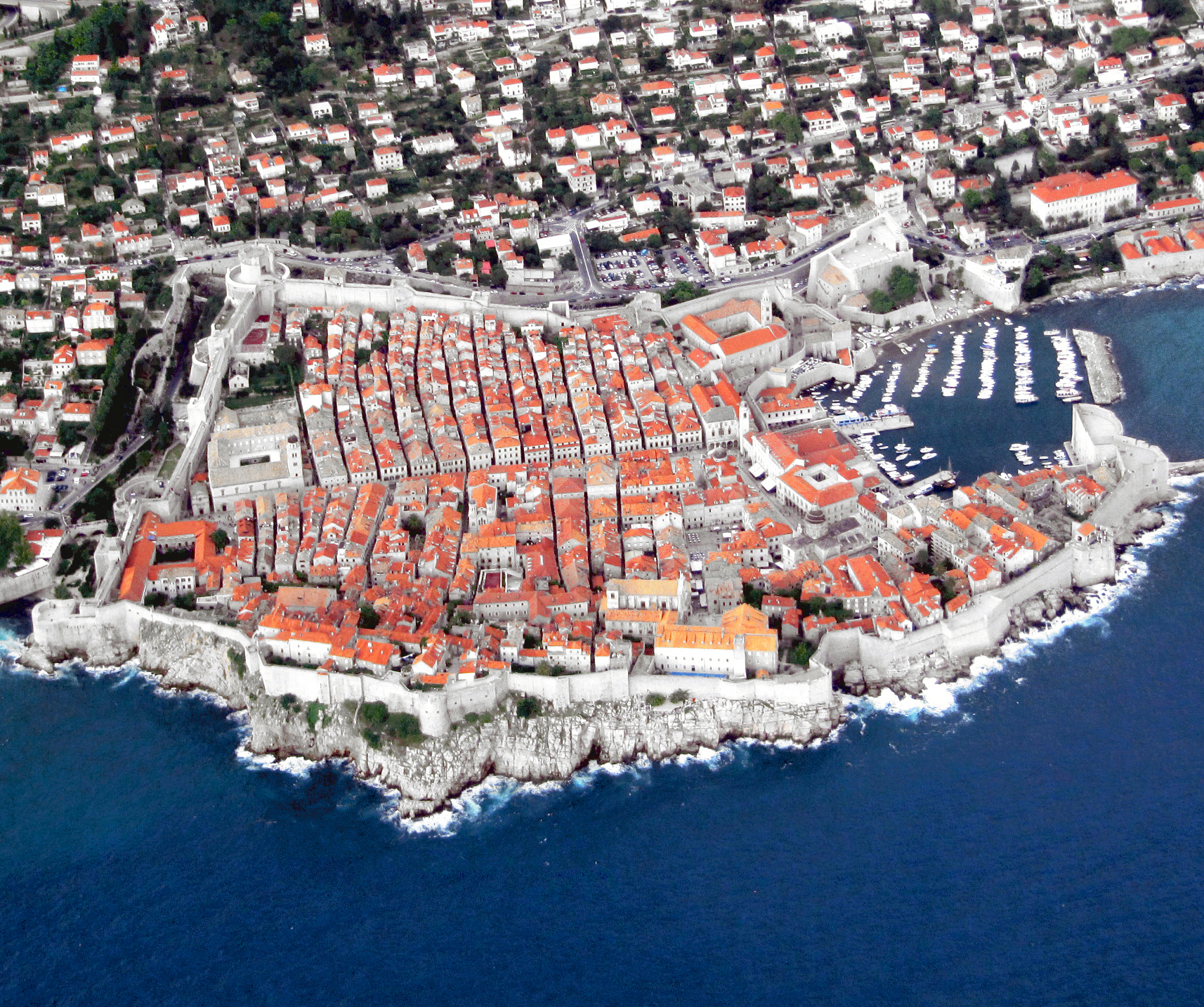
Croatia: Late April through June is the golden window. September is strong. October is viable in southern Dalmatia (Dubrovnik, Korcula) but the northern coast closes by mid-month.
Turkey: Has the longest shoulder season of any Mediterranean destination. April through November is feasible along the Lycian coast, with October and early November offering warm water and empty anchorages at the season's lowest prices.
Italy (Amalfi, Aeolians, Sardinia): May and September are the sweet months. The Aeolians in particular are superb in late September — warm, calm, uncrowded, with Stromboli's eruptions visible in the darkening autumn evenings.
France (Corsica, Cote d'Azur): June and September avoid the August frenzy. Corsica's interior — accessible from the anchorages on day hikes — is at its finest in spring and early autumn.

The practical question: is it worth the trade-offs?
The shoulder season requires flexibility. You may lose a sailing day to weather that July would not deliver. A restaurant may be closed. A ferry service may not yet have started. The water in April is cold enough to make you think twice about the morning swim.
Against this: you save 30-40% on the charter cost. You anchor where you choose. You eat in restaurants that remember your name. You sail in wind that challenges without overwhelming. The Mediterranean, in its quieter months, reveals its character more honestly than when it is performing for the summer crowds.
For experienced charterers, the shoulder season is not a compromise — it is a preference. For first-timers, May and September offer the best of both worlds: reliable weather, manageable conditions, and a Mediterranean that is recognisably itself without being caricatured by the peak-season press.

